

Company advantage
Advanced production filtration technology
lt adopts the third generation of "Fusion Co-laminating technology" + "multi-layer impurity filtration technology".using 100% new materials, which can effectively remove heavy metals,impurities and other harmful substances,and greatly improve the environmental protectionperformance. And it has developed fo the most advanced third generation, leading 99% of domestic peer enterprises.
Company strength
Bayi has 2 production bases with 180 skilled employees;Bayi can produce 200 TEU per month.
Our certifications
Bayi has been certified by lots of related national and international organizations.
QC
Bayi is growing rapidly, while improving our techniques, using environment-friendly materials and quality control system.Bayi also features personalized designs, convenient installation and easy maintenance.
What is Elevator Vinyl Floor Matlooring Rolls
Elevator Vinyl Floor Mat Matting is crucial for protecting both the elevator cab and the passengers that ride them. This heavy-duty roll matting is a highly durable, lower cost solution to cover the floor of an elevator with a long-lasting, easy-to-clean material that provides traction, especially compared to smooth tile and marble flooring.Elevator Vinyl Floor Mat Matting is essential in high-traffic locations and a non-carpeted, solid material such as these are very easy to clean.With 5 different patterns available in a variety of colors and in 2 different thicknesses, there's sure to be a design to coordinate with any elevator cab. All of these matting options provide slip resistance and enhanced traction.
-
![Elevator Vinyl Floor Mats]() Elevator Vinyl Floor MatsElevator vinyl floor mats are essential components of modern elevator designs. These mats are specifically designed to offer a wide range of benefits for both building owners and elevator users.view more
Elevator Vinyl Floor MatsElevator vinyl floor mats are essential components of modern elevator designs. These mats are specifically designed to offer a wide range of benefits for both building owners and elevator users.view more -
![Elevator Mats]() Elevator MatsElevator vinyl floor mats enhance safety and security in elevators. These mats feature slip-resistant surfaces that prevent accidental slips and falls. vinyl floor mats also offer a sound...view more
Elevator MatsElevator vinyl floor mats enhance safety and security in elevators. These mats feature slip-resistant surfaces that prevent accidental slips and falls. vinyl floor mats also offer a sound...view more


Benefits of Elevator Vinyl Floor Mat
If nothing else, you want your elevators to maintain the style of the rest of your building. There is no point putting money and effort into an entranceway if your clients and customers then walk straight into a shabby old lift.elevator mats elevate (sorry) the design of your lift cars and extend the great first impression that your entranceway provides. A dark coloured mat also hides dirt from shoes and keeps your floors looking cleaner. We'll say more on that later!
Elevator vinyl floor mat don't just look pretty. They offer two main safety features too. Slip resistance is the most obvious safety precaution that you need to take in high traffic areas such as lifts and entrances.elevator mats are fitted into lifts or backed onto rubber, so they prevent fast-moving feet from losing their grip on the ground. This is important in every elevator but is absolutely necessary in high-risk buildings such as hospitals and care homes.as well as slip resistance, fire protection is essential. Obviously, commercial buildings need to ensure their mats are fire retardant, but all buildings should make sure their mats are not likely to spread a fire.
Most people invest in mats because they want to keep their floors clean. That's why all commercial buildings have large entrance mats (at least 6 steps), that remove dirt from shoes before it is walked into a building.as well as trapping dirt, elevator mats absorb water and prevent your floors from getting wet. If people are taking the elevator down from a swimming pool, kitchen or bathroom, they won't have a chance to walk over the entrance mat until they leave the building.just like doormats protect your floors from the outside, elevator floor mats protect your floors from the inside. Working together, the perfect combination of mats will keep your building as clean as it ever will be.
Elevator vinyl floor mat are also highly effective in sanitizing sensitive areas like those found in laboratories and hospitals.These mats are called clean room mats, and they feature specific antimicrobial technology designed to eradicate germs and bacteria before they can contaminate a sterile environment.
Application of Elevator Vinyl Floor Mat
Hostess stations, service counters, and industrial workspaces
Long hours of standing can result in sore feet, legs, knees, and hips. The u.s. Occupational health and safety administration (ohsa) estimates the annual cost of fatigue and health-related productivity loss at us $136.4 billion. Anti-fatigue mats placed in hostess stations, reception and registration areas, and checkout and customer service counters in banks, theme parks, and movie theaters can help relieve this fatigue. They are also useful around workstations in manufacturing or industrial environments. However, pay close attention to where manufacturing or industrial elevator vinyl floor mat are placed. While their polyurethane coating creates a stain-resistant, easy-to-clean surface, they cannot withstand high heat in environments with activities such as welding.
Restrooms
Businesses can improve their image and enhance the restroom experience by elevator vinyl floor mat. Mats help eliminate puddles around urinals and sinks, protect floors from drips and spills, and control odors.
Outside entryways
Shoes can disperse debris—from snow and salt to mud, gravel, and sand—throughout facilities. Using elevator vinyl floor mat =at the front of entryways provides guests with an area to scrape their shoes before entering. It can help reduce the chance of tracking contaminants into the facility, protecting valuable flooring assets.
Entrances/lobbies
Placing a mat in entrances and lobbies provides another layer of defense in keeping dirt and debris out of facilities. With first impressions starting at the front door, it's important to build a positive brand image that people notice as soon as they enter your facility. Consider customized logo mats that display your business or school pride while capturing dirt and debris.
High-traffic walkways
Areas like school hallways, airport terminals, and elevator banks experience high levels of foot traffic, rolling wheels, and heavy loads. High-traffic mats, which are usually made with heavier rubber backing, are commonly used in these areas. The heavier rubber backing helps reduce movement from wheelchairs, carts, or a higher level of general foot traffic.
Types of Elevator Vinyl Floor Mat
Lift Floor mats
Placing lift floor mats with unique designs or textures can provide additional comfort and functionality while adding a touch of style. These mats are designed to enhance safety, reduce noise, and provide comfort for passengers. The use of mat flooring in lifts helps prevent slipping, especially in wet conditions, and minimizes wear and tear on the lift floor. The selection of mat flooring can contribute to a welcoming and aesthetically pleasing environment within the lift while ensuring a durable and easy-to-maintain surface.
Tile Lift Flooring
Tiles are a versatile choice for lift flooring, offering a wide array of design options. You can use ceramic, porcelain, or marble tiles to craft a luxurious and timeless aesthetic. Incorporate intricate mosaic patterns or geometric designs to add visual interest and personalize the lift space. Tiles, especially ceramic or porcelain, offer a durable and water-resistant option for lifts flooring.
Laminate Lift Flooring
Laminate lift flooring is a cost-effective option that can mimic the appearance of wood or stone. This type of flooring offers a variety of colors and finishes, allowing for customization to match the desired theme or style. Laminate flooring is also easy to clean and maintain, making it suitable for lifts with high foot traffic. Laminate flooring is a synthetic option that replicates the look of hardwood or stone but is more cost-effective.
Rubber Lift Flooring
Rubber lift flooring is a practical choice for lifts that experience heavy usage or need to meet specific safety requirements. It offers slip resistance and durability, making it suitable for commercial and public buildings. You can customize rubber flooring with colors or patterns to create a modern and vibrant atmosphere. Rubber flooring is a resilient and slip-resistant option suitable for high-traffic areas.
How to Choose Elevator Vinyl Floor Mat

For industries that want customization
How can you make your salesroom stand out from floor to ceiling? Many companies choose entry elevator vinyl floor mat with customized company logos. This is a good choice for entryways that will not be "Busy" In nature, allowing the logo to be a focus point, rather than ignored. Work with a business that sends you a color proof for approval before printing your logo -- otherwise, the mat might not turn out the way you hoped it would.
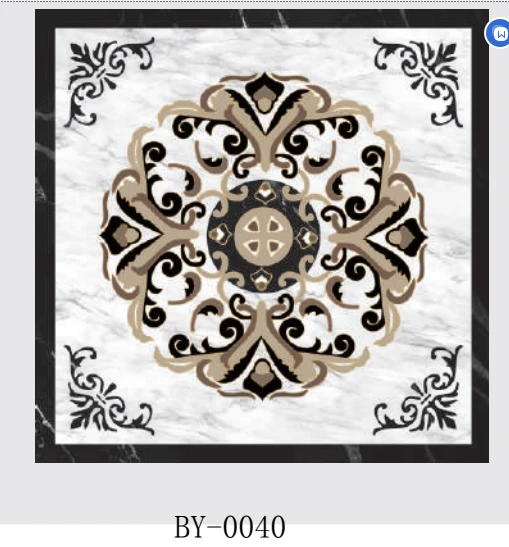
Industrial elevator vinyl floor mat
If you work in an environment prone to slippage, or where slips are especially important to prevent, such as food service, industrial elevator vinyl floor mat can help keep water away from your soles. Textured surfaces help to keep feet firmly rooted in place. These are often made from rubber or pvc.

Why use entrance mats?
When you have heavy traffic coming into your office, floors can quickly become covered in dirt, mud and water, depending on the weather. Entrance mats can be made with edging to trap water within the mat, keeping wood flooring and carpeting safe. Entrance mats can help your floor continue to look new and clean, while reducing how often you need to actually vacuum or sweep the area.
Renting vs buying elevator vinyl floor mat
People often wonder whether it's a better idea to rent their elevator vinyl floor mat, or buy them. If you are having a one-time event where you expect many people and want elevator vinyl floor mat for the occasion, then renting probably makes sense, as you will have little need for them after, and they would take up considerable storage space. If, however, you plan on using elevator vinyl floor mat long term, it makes more sense to buy. Just a small entrance mat can cost $5 a week to rent -- which adds up to about $260 over the course of a year. And many businesses will need more than just one floor mat.
Process Of Elevator Vinyl Floor Mat
Material preparation
Select suitable materials such as rubber, pvc, plastic, etc. Based on the style and requirements of the floor mat cotton fabric, etc., and then cut and pretreated.
Mold making
Create a mold for the floor mat based on the design drawings or samples. Molds are usually made of metal or plastic materials material production.
Injection molding or molding
Put the preprocessed material into the injection molding machine or molding machine, using high temperature and high pressur inject the material into the mold to form the shape of the floor mat.
Demoulding and trimming
After the material cools down, open the mold, take out the formed floor mat, and carry out trimming.trimming includes removing edge burrs, cleaning cracks, etc.
Spraying and printing
Spray or print the floor mat according to design requirements. Spraying can make the floor mat have anti slip or waterproof effects, while printing can add patterns, trademarks, or text, etc.
Quality inspection
Conduct quality inspection on the finished floor mat, including appearance quality, dimensional accuracy, hardness wear resistance, etc.
Vacuum for a quick cleaning
For quick cleaning in-between customers, run a vacuum cleaner over your elevator vinyl floor mat to pick up the excess dirt. It only takes a few minutes of your time and it will help to keep your facility looking neat and clean throughout the day.
Hose down the mats
Depending on the type of business you have and where you're located, your floor mats may only collect minimal dirt and debris, so vacuuming may be beneficial most of the time. However, when the pile in the carpet surface style floor mats lay down or look matted together or when they begin to look a little dirty even after vacuuming, you can simply hose down the floor mats at the end of the day. After washing out all the dirt and debris, hang them up to dry and they'll look like new again the next morning.
Clean with soap and water
If you own a business such as a restaurant, where the elevator vinyl floor mat get greasy or when they collect lots of dirt and grime due to high traffic areas, you can clean your elevator vinyl floor mat with soap and water. Use a gentle cleaner and a floor brush to scrub the mats to remove all the grease, dirt and grime from the mats, rinse and allow to dry. You can also use any method that is recommended for carpeted floors on the styles that use pile carpet surfaces. Just remember to use a neutral, solvent free cleaner to avoid causing damage to the floor mats.
For hard to clean stubborn stains
Occasionally, your elevator vinyl floor mat may become stained and soap and water or a neutral, solvent free cleaner just won't do the trick. In this case, you can use a neutral cleaner to scrub the stain. Just be sure to test a small inconspicuous area of the mat first to check for color change and then make sure you rinse the mats thoroughly to remove all of the cleaner before allowing it to dry.
Clean under the mats
Before you put your elevator vinyl floor mat back in place, take the time to clean the flooring underneath where the mats go. This will help keep the interior floor mats cleaner in addition to helping protect your flooring from scratches that dirt and grime buildup can cause. It will also allow the underside of the floor mats to grip the floor better, preventing slipping and sliding.
Our Factory
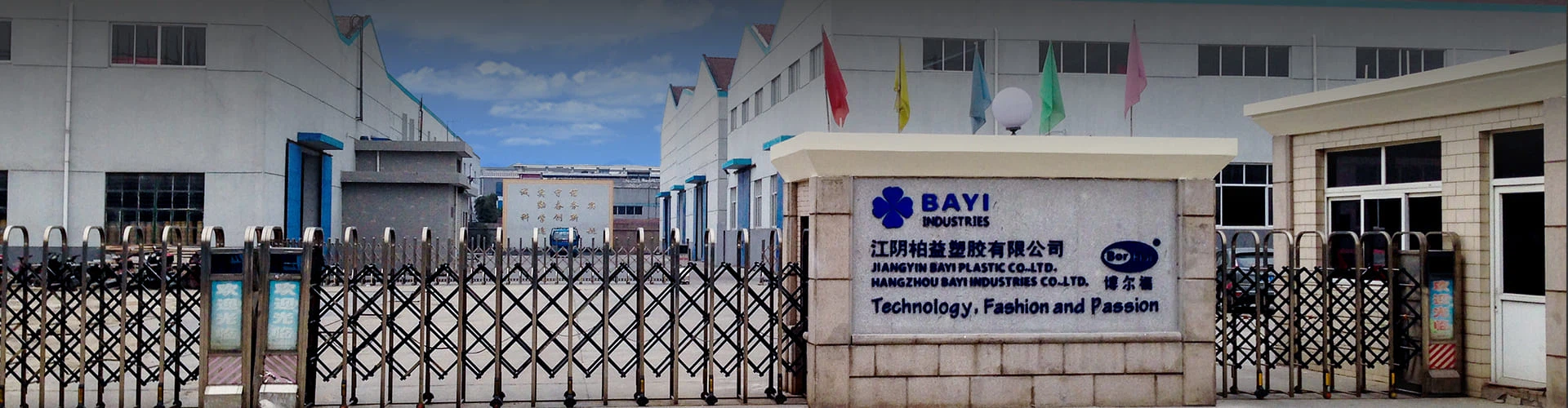
Bayi Industries Co., Ltd. is a leading supplier and manufacturer of resilient flooring as: Sheet Vinyl Flooring, Safety (Quartz sands or coin)Flooring in rol, SPC (RVP) Viny! Flooring, LVT/LVP Flooring , Peel & Stick Flooring etc."Borflor", as a well-known brand in the flooring industry, has already served many countries eg. UK, Germany, ltaly, USA, Southeast Asia, Middle East, South America, etc.In 1989, the parent Bayi Company was founded, and successfully developed the first "multi-layer composite resilient floor" in mainland China, known as the "pioneer of China's resilient floor".


Certificate

FAQ
As one of the leading elevator vinyl floor mat manufacturers and suppliers in China, we warmly welcome you to wholesale discount elevator vinyl floor mat for sale here from our factory. All our products are with high quality and low price.
Elevator Vinyl Floor Mat, ELEVATOR MATS