

Company advantage
Advanced production filtration technology
lt adopts the third generation of "Fusion Co-laminating technology" + "multi-layer impurity filtration technology".using 100% new materials, which can effectively remove heavy metals,impurities and other harmful substances,and greatly improve the environmental protectionperformance. And it has developed fo the most advanced third generation, leading 99% of domestic peer enterprises.
Company strength
Bayi has 2 production bases with 180 skilled employees;Bayi can produce 200 TEU per month.
Our certifications
Bayi has been certified by lots of related national and international organizations.
QC
Bayi is growing rapidly, while improving our techniques, using environment-friendly materials and quality control system.Bayi also features personalized designs, convenient installation and easy maintenance.
What is Commercial Flooring
Commercial flooring is a hardy type of flooring designed for constant use. It's found in offices, shops, restaurants, hospitals, schools, and other busy commercial settings where lots of people walk to and from, so needs to withstand constant pressure.But what are the types of commercial flooring? In this article, we'll walk through the range of common durable materials used in commercial spaces, to give you a better understanding of which flooring to choose for your business.
-
![R10 PVC Professional Bus Flooring]() R10 PVC Professional Bus FlooringExcellent anti-slip performance This PVC vinyl flooring achieves an R10 slip resistance rating and complies with European DIN 51130 R10 anti-slip standard, delivering reliable safety for...view more
R10 PVC Professional Bus FlooringExcellent anti-slip performance This PVC vinyl flooring achieves an R10 slip resistance rating and complies with European DIN 51130 R10 anti-slip standard, delivering reliable safety for...view more -
![R10 Anti-Slip Emery Flooring For High-Traffic Public Areas]() R10 Anti-Slip Emery Flooring For High-Traffic Public AreasWhen it comes to public transportation, safety is not just a feature—it’s a mandate. Borflor’s BF Series (Quartz Sand Series) has emerged as the industry standard for anti-slip safety bus...view more
R10 Anti-Slip Emery Flooring For High-Traffic Public AreasWhen it comes to public transportation, safety is not just a feature—it’s a mandate. Borflor’s BF Series (Quartz Sand Series) has emerged as the industry standard for anti-slip safety bus...view more -
![Quartz Sand Vinyl Bus Flooring]() Quartz Sand Vinyl Bus FlooringSlip-Proof by Design—Carborundum Quartz Sand PVC Flooring Keeps Every Step Safe.view more
Quartz Sand Vinyl Bus FlooringSlip-Proof by Design—Carborundum Quartz Sand PVC Flooring Keeps Every Step Safe.view more -
![Wear Resistant PVC Train Floor Covering]() Wear Resistant PVC Train Floor CoveringBorflor PVC floor coverings are all wear resistant and all pass the test grade of T grade. The lifespan of our PVC flooring can reach to 10 to 15 years according to different application scenarios.view more
Wear Resistant PVC Train Floor CoveringBorflor PVC floor coverings are all wear resistant and all pass the test grade of T grade. The lifespan of our PVC flooring can reach to 10 to 15 years according to different application scenarios.view more -
![Public Transport PVC Flooring Rolls]() Public Transport PVC Flooring RollsCurrently, public transport primarily use PVC flooring. Buses, in particular, carry large passenger volumes, requiring wear-resistant, practical, and easy-to-install flooring. PVC flooring is...view more
Public Transport PVC Flooring RollsCurrently, public transport primarily use PVC flooring. Buses, in particular, carry large passenger volumes, requiring wear-resistant, practical, and easy-to-install flooring. PVC flooring is...view more -
![Yellow No Standing Area Bus Vinyl Flooring]() Yellow No Standing Area Bus Vinyl FlooringBorflor offer a dedicated floorcraft service helping you to designate certain special needs areas, highlight visual inlays, colourways, or zoningview more
Yellow No Standing Area Bus Vinyl FlooringBorflor offer a dedicated floorcraft service helping you to designate certain special needs areas, highlight visual inlays, colourways, or zoningview more -
![ECE R118 Certificated PVC Bus Flooring]() ECE R118 Certificated PVC Bus FlooringBorlfor is a leading PVC Resilient flooring manufacturer and supplier in China. Our transport safety serie of PVC flooring has been exported to many countries throughout the world. We supply...view more
ECE R118 Certificated PVC Bus FlooringBorlfor is a leading PVC Resilient flooring manufacturer and supplier in China. Our transport safety serie of PVC flooring has been exported to many countries throughout the world. We supply...view more -
![Custom Commercial Train Vinyl Flooring Carpet]() Custom Commercial Train Vinyl Flooring CarpetBorflor is a leading PVC flooring manufacturer and supplier in China. We provide various of colors and patterns for the commercial vinyl train flooring carpet and also we can provide custom...view more
Custom Commercial Train Vinyl Flooring CarpetBorflor is a leading PVC flooring manufacturer and supplier in China. We provide various of colors and patterns for the commercial vinyl train flooring carpet and also we can provide custom...view more -
![P Grade Homogeneous Vinyl Sheet]() P Grade Homogeneous Vinyl SheetPVC Flooring Features: Homogeneous and transparent: The color and pattern are consistent from the surface to the bottom, and the appearance can be maintained even if worn.view more
P Grade Homogeneous Vinyl SheetPVC Flooring Features: Homogeneous and transparent: The color and pattern are consistent from the surface to the bottom, and the appearance can be maintained even if worn.view more -
![Commercial R10 Rate Safety Flooring]() Commercial R10 Rate Safety Flooring- Good anti-slip performance: The surface has been specially treated, and commercial safety flooring can maintain a good anti-slip effect even when it is wet or wet, reducing the risk of people...view more
Commercial R10 Rate Safety Flooring- Good anti-slip performance: The surface has been specially treated, and commercial safety flooring can maintain a good anti-slip effect even when it is wet or wet, reducing the risk of people...view more -
![R10 Slip Resistant Vinyl Safety Floor Covering]() R10 Slip Resistant Vinyl Safety Floor CoveringR10 Slip Resistant Vinyl Safety Floor Covering PVC flooring with anti-slip grade R10 has many advantages, as follows: Safety performance - Excellent anti-slip effect: R10 grade...view more
R10 Slip Resistant Vinyl Safety Floor CoveringR10 Slip Resistant Vinyl Safety Floor Covering PVC flooring with anti-slip grade R10 has many advantages, as follows: Safety performance - Excellent anti-slip effect: R10 grade...view more -
![R10 Anti-slip Train Flooring Mat]() R10 Anti-slip Train Flooring MatR10 Anti-slip Train Floor Mat The following is a detailed introduction to the R10 anti-slip grade PVC flooring for train carriages: Performance characteristics - Excellent anti-slip...view more
R10 Anti-slip Train Flooring MatR10 Anti-slip Train Floor Mat The following is a detailed introduction to the R10 anti-slip grade PVC flooring for train carriages: Performance characteristics - Excellent anti-slip...view more


Benefits of Commercial Flooring
Increased productivity and efficiency
New floors will make your workers happier leading to increased production and higher customer satisfaction.”The improved mood increases job satisfaction which leads to increased production. This is why choosing to invest in commercial flooring is a wise decision!
Decrease in injuries and accidents
Commercial flooring is a great investment because it reduces accidents while also making your employees feel better about their work space. That makes installing commercial flooring an excellent choice if you're looking to enhance the safety of your company. The increased strength of these floors will help lessen the chance of accidents from tripping, slipping, or falling on an uneven surface while also minimising wear and tear over time. This translates into more productivity at work because people are less likely to get hurt due to unsafe conditions.
Decrease in spills
Spills on flooring are an inevitable part of life. This goes for any kind of business, but they create more problems when there's carpet involved rather than commercial flooring! Businesses with carpets see much higher spill rates which means greater need to have someone clean up those messes. With hard surfaces like tile or wood, spills don't get stuck as easily so less time cleaning up!
Easy on maintenance
Hardwood, ceramic tiles, vinyls all require very little upkeep and maintenance . Regular vacuuming and sweeping is all that's needed to keep them looking good.
Easy on the environment
Commercial flooring materials like wood or ceramic tile emit lower levels of volatile organic compounds (VOCs) than carpet which can cause long term health problems, especially for those who suffer from allergies.
Reduced expenses
Besides being easier to maintain, these types of floors will also last longer meaning they won't need replacement as often! This means less money spent in upkeep and material costs upfront with more left over for other important business needs.
Application of Commercial Flooring
Medical Practices
Medical building flooring gets a lot of foot traffic and wear from routine transfers of heavy medical equipment. Providers and patients prefer smooth, durable floors, such as linoleum flooring, that make rolling transport effortless.There are also strict sanitation requirements to help avoid the spread of disease. Things can get dirty pretty quickly in a doctor's office or hospital. Medical building managers need to make sanitation a cinch with easy-to-clean flooring.
Schools and Educational Institutions
Durability is a key component of a good material for floors used in elementary schools, secondary schools, colleges, and universities. Budget also matters for flooring options, since many educational institutions are funded by public taxes.The floors in these buildings go through a lot, with thousands of students and teachers using them each day. Carpet tiles, porcelain, broadloom, and linoleum are all popular choices for educational buildings. They should also be easy-to-clean.
Retail Centers
In the retail industry, flooring can vary depending on the type of company, its visual branding standards, and its corporate identity. High-end stores that focus on fashion may have a sophisticated aesthetic with a product such as hardwood floors.More budget conscious retail centers may require a more durable floor choice, such as vinyl. Carpet tile is another popular choice for businesses that need a softer style inside of their stores.
Office Building FlooringOffice Buildings
Office workplaces have a large variation in purpose, and the flooring should reflect the company's brand.Additionally, flooring may be used to designate different types of rooms within a large corporation or small business. For example, a company break room could be equipped with durable flooring, such as ceramic tile, and a corporate boardroom may look better with something more upscale, such as hardwood or a luxurious carpet.
Types of Commercial Flooring

Commercial laminate flooring
Most people love the look of solid wood flooring, which is why laminate is a popular choice. It looks almost identical to wood but costs a fraction of the price and is much easier to install.A couple of downsides to laminate flooring: it's noisy to walk on, which makes it less desirable for places with quieter environments such as offices and libraries, and because of its powdered wood core, it can also be damaged by water more easily.

Commercial hardwood flooring
Hardwood has a look that most people love and is used to create modern, beautiful, and prestigious commercial spaces. It's durable, easy to clean, and timeless—you won't need to replace the flooring anytime soon.On the other hand, hardwood is expensive, so isn't usually a first choice when it comes to commercial flooring. It also needs to be resealed twice a year, and is loud underfoot.

Commercial carpet flooring
Carpet is one of the most popular choices for commercial offices. It comes in a huge range of prices and designs, and is available in two main types:Broadloom carpet is a traditional wall-to-wall carpet that comes as single (or few) pieces. It's usually reserved for homes but is also desirable for commercial spaces due to its softness, quietness, and cozy look.

Commercial concrete flooring
Concrete may not seem the most luxurious of flooring, but modern finishing techniques can create a polished, crisp look that many find desirable. Commercial concrete flooring is highly durable, easy to maintain, and can be mixed with various colours to create awesome designs.
Commercial vs. Residential Flooring
Features
Compared to commercial flooring, residential flooring generally doesn't have as many requirements. Commercial floors have characteristics for industrial settings. You'll see commercial floors listed with features like waterproof, heat-resistant, moisture-repellant, sound-proof, slip-proof, corrosion-resistant and more. Residential flooring usually has a smaller list of criteria — it needs to look tasteful and feel comfortable.
Selection
Residential flooring tends to be much more customizable than commercial flooring because there's a wider style selection. Because residential flooring needs to match a homeowner's unique style, residential floors come in a wider variety of textures and colors. Commercial spaces can get away with simple, neutral styles, such as with commercial-grade carpet vs. residential, which is usually less plush and luxurious than you'd find in a home.
Price
Commercial and residential flooring also tends to differ in price. In a home, you typically require much less flooring than you would in a commercial space. Homes also tend to use a variety of flooring types for each area of the home, meaning some rooms, like bathrooms, will have even smaller quantities of flooring needed. Generally, commercial floors will be more expensive. The price of residential vs. commercial flooring depends on the quality of the product and how long it's designed to last.
How to Choose Commercial Flooring
Commercial spaces typically carry much more weight than the average home flooring. In a commercial building, there are many more pairs of feet coming and going — from employees to customers to suppliers, the traffic doesn't end on any given business day. Additionally, commercial flooring will have more heavy objects applied to it, such as business equipment and office furniture. Therefore, the flooring designed for a commercial space is meant to be strong enough to endure this long-term wear-and-tear.
Commercial flooring also needs to withstand frequent cleanings often with harsh industrial products — especially in industries like restaurants and food service or healthcare. Some types of flooring, such as wood or tile, won't hold up as well after years of daily scrubbings. Synthetic flooring designed for commercial purposes can be cleaned repeatedly without wearing out or becoming damaged.
Commercial spaces also have unique considerations that commercial flooring can address. Many commercial spaces require sound-proofing, which specialized rubber or synthetic commercial flooring can provide. Additionally, commercial flooring is resistant to moisture, preventing rotting and bubbling in the flooring.
A decision about residential flooring options usually falls between two broad categories: carpet or solid flooring. With carpet, you have a variety of options in texture and weave, including plush, frieze and cut pile. For solid flooring, you have choices like laminate vs. hardwood vs. vinyl as well as ceramic or porcelain tile.
A Step-by-Step Guide to Commercial Flooring Installation
The first step in any commercial flooring project is to choose the right flooring type. The most common types of commercial flooring include carpet, vinyl, hardwood, and ceramic.Each type of flooring comes with its own set of benefits and drawbacks. For instance, vinyl is easier to clean and maintain than hardwood but may not be as visually appealing.Carpets, on the other hand, come in a range of colors and patterns, but their maintenance can be a hassle. Consult an expert in commercial flooring to help you choose the best resilient flooring types for your project.
Assessing The Site
The next step involves assessing the site to determine the subfloor's condition and identify potential obstacles. The subfloor must be level, clean, smooth, and dry for a successful installation.Any imperfections on the subfloor can compromise the integrity of the flooring and lead to problems in the long run. Also, the installer must consider any obstacles, such as stairs, columns, or plumbing fixtures, that may affect the installation process.
Preparing The Subfloor
When it comes to commercial flooring installation, preparing the subfloor is a crucial step toward ensuring a successful completion. Many flooring problems arise due to the lack of subfloor preparation.Adequate preparation of the subfloor requires the removal of any pre-existing flooring materials that may negatively affect the new flooring installation, such as excess adhesive or debris. Afterward, the subfloor must be thoroughly cleaned and inspected for any damage.
Actual Installation Of The Flooring
The next step is the actual installation of the flooring. The installer needs to follow the manufacturer's instructions carefully and use the right tools, adhesive, and techniques.For instance, in the case of vinyl flooring, the installer needs to cut the vinyl to size, roll it out, and apply adhesive according to the manufacturer’s instructions.Hardwood flooring requires more intricate installation methods such as nailing, gluing, or floating. The installer needs to ensure that the flooring is aligned correctly and any cuts are precise.
How to Maintain Commercial Flooring
Implement walk-off mats
Walk-off mats are essential for any business. They stop dirt and moisture from getting tracked inside, keeping your floors clean and professional-looking. They also make cleaning and maintenance much easier. Your building should have adequate walk-off mats at all entrances that are at least as wide as doorways, 10-14 feet long, depending on the amount of traffic and type of soil outside. Strategically placed walk-off mats will add years to the life of your hard surface commercial flooring.
Use casters, protectors, and pads
Removing dirt from hard flooring is one thing. Removing scratches is another, and much more difficult.You can prevent floor scratching in offices, lobbies, and other areas by using casters and protectors on the bottom of furniture items and by using pads when moving furniture, equipment, or other large/ heavy items across the floor.
Vacuum and mop regularly
Dust can be especially noticeable on hard surface floors, particularly on floors that get a lot of sunlight. A vacuum typically does a better job than a dust mop at reaching dust and dirt. With dust mop, corners and edges get missed (dirt piles up in the corners, day-by-day) and areas around and under furniture are bypassed entirely.
Give attention to heavy traffic areas
Make sure the areas in your building that experience the heaviest traffic get extra cleaning attention, potentially even vacuuming and mopping them multiple times a day. Observe the traffic patterns and adjust your cleaning strategy accordingly.
Remove water or spills immediately
Along with regular maintenance, you will probably run into spills from time to time. One of the benefits of hard surface flooring is its ability to withstand moisture, but to prevent stains or damage, you want to remove any standing liquid as soon as possible. To clean up a small spill of liquid on hard flooring, simply wipe it up with a paper towel or cloth. If you have a sticky or staining liquid, try using a solution of 1 part vinegar to 3 parts water and keep a small spray bottle handy for quick clean-ups.
Use the proper cleaners
Not all cleaners and floor types are compatible. The wrong cleaners or using too much of it can actually damage your hard surface flooring. Always test a cleaning solution on a small, hidden area of your flooring beforehand. For greasy or oily areas, use an alkaline cleaner with a pH between 8 and 10; for areas with hard water or high mineral concentration, use an acidic cleaner with a pH between 4.5 and 6.5.
Our Factory
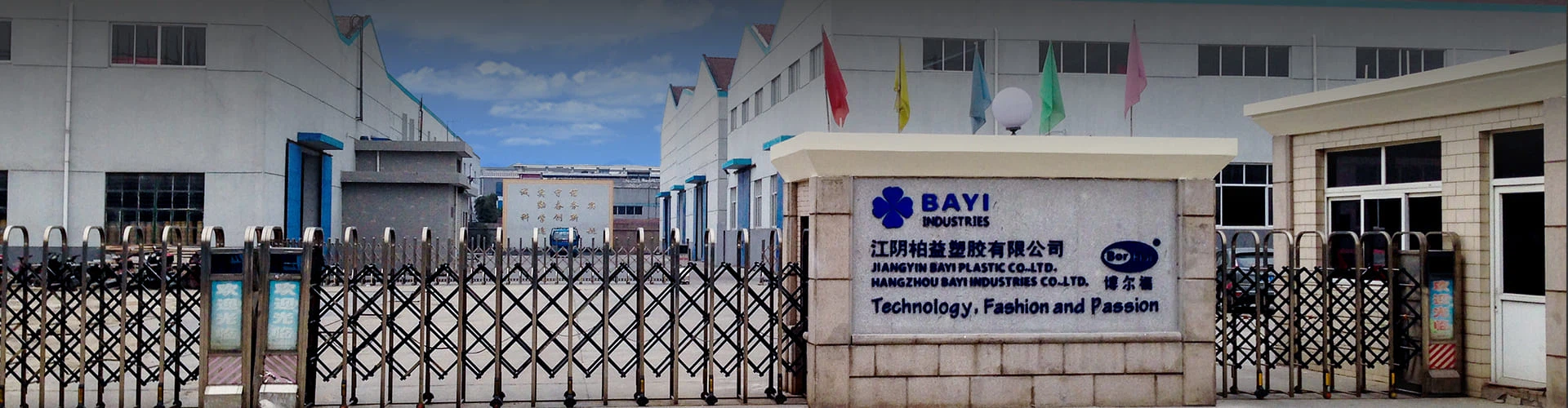
Bayi Industries Co., Ltd. is a leading supplier and manufacturer of resilient flooring as: Sheet Vinyl Flooring, Safety (Quartz sands or coin)Flooring in rol, SPC (RVP) Viny! Flooring, LVT/LVP Flooring , Peel & Stick Flooring etc."Borflor", as a well-known brand in the flooring industry, has already served many countries eg. UK, Germany, ltaly, USA, Southeast Asia, Middle East, South America, etc.In 1989, the parent Bayi Company was founded, and successfully developed the first "multi-layer composite resilient floor" in mainland China, known as the "pioneer of China's resilient floor".


Certificate

FAQ
As one of the leading commercial flooring manufacturers and suppliers in China, we warmly welcome you to wholesale discount commercial flooring for sale here from our factory. All our products are with high quality and low price.
plastic basketball floor, upvc welding rod, Non Slip Heterogeneous Vinyl Sheet Flooring