

Company advantage
Advanced production filtration technology
lt adopts the third generation of "Fusion Co-laminating technology" + "multi-layer impurity filtration technology".using 100% new materials, which can effectively remove heavy metals,impurities and other harmful substances,and greatly improve the environmental protectionperformance. And it has developed fo the most advanced third generation, leading 99% of domestic peer enterprises.
Company strength
Bayi has 2 production bases with 180 skilled employees;Bayi can produce 200 TEU per month.
Our certifications
Bayi has been certified by lots of related national and international organizations.
QC
Bayi is growing rapidly, while improving our techniques, using environment-friendly materials and quality control system.Bayi also features personalized designs, convenient installation and easy maintenance.
What is Rubber Flooring
Rubber flooring is simply a flooring solution designed to protect. It is made from recycled materials such as tires, sports equipment, and even shoes. It can also be produced through the extraction of natural rubber from the‘Amazonian rubber tree'also known as Hevea brasiliensis.Rubber flooring is extremely versatile and can be used in a wide variety of commercial settings. However, it is imperative that you select the best application for your facility to achieve the greatest investment for your budget.
-
![Waterproof Commercial Rubber Flooring]() Waterproof Commercial Rubber FlooringResidual indentation: 0.02mmview more
Waterproof Commercial Rubber FlooringResidual indentation: 0.02mmview more
Dimensional stability: ≤0.1%
Resisitance to buring cigarettes: Level 4
Chemical resistance: pass -
![Eco-friendly School Rubber Flooring]() Eco-friendly School Rubber FlooringRubber flooring is a flooring material that uses rubber as the main raw material, which has good elasticity and wear resistance. Rubber flooring is widely used in various public buildings and...view more
Eco-friendly School Rubber FlooringRubber flooring is a flooring material that uses rubber as the main raw material, which has good elasticity and wear resistance. Rubber flooring is widely used in various public buildings and...view more


Benefits of Rubber Flooring
Rubber flooring, celebrated for its durability, effortlessly transitions across diverse settings. From rubber tiles for your home gym to rubber rolls for contemporary office spaces, its adaptability is a testament to its resilience. The material's ability to withstand various applications positions it as a reliable foundation for spaces that demand functionality and style.
Beyond its renowned durability, rubber surfaces redefines comfort. Its shock-absorbing properties make it an exceptional choice for areas where individuals stand or move frequently. Whether it's a bustling playground or a dynamic work environment, the comfort and safety of rubber floors ensures that functionality and well-being coexist seamlessly.
Opting for rubber gym flooring is not just a practical decision; it's a step towards sustainability. Many rubber products are crafted from recycled post-consumer use materials, including car tires, minimizing the environmental impact. The combination of eco-friendliness and resilience positions rubber flooring as a conscious choice, aligning with the values of those seeking both durability and environmental responsibility. A frequently asked question revolves around the materials of rubber flooring -is it toxic? The answer is straightforward: high-quality rubber surfaces, like the products we offer, is designed to be non-toxic and safe for various environments, ensuring peace of mind for our customers.
Recognized as the go-to option for spaces with heavy foot traffic, rubber flooring maintains integrity and aesthetic appeal even in harsh conditions. Its resistance to wear and tear, paired with a capacity to endure the demands of high-traffic areas, ensures that the flooring not only withstands the test of time but remains visually appealing in the face of daily use.
Application of Rubber Flooring
There are a number of rubber gym floor options-from rolled rubber to 3x4 foot mats to puzzle mats-and more. Gyms are home to sweat and moisture, so it's imperative that a flooring option that prevents the growth of mold, mildew and bacteria. Flooring must also provide comfort and safety for the athlete, floor protection from exercise equipment, sports equipment, and weights, a noise buffer from intense movement and dropping of weights, and insulation to help maintain heating and cooling of the gym. Rubberized flooring provides all of that and more.
Many safety playground surfaces are made from rubber that comes in many different colors and thicknesses as well as impact absorbing engineering designs. Rubberized tiles or paver-type surfacing provides for a safe, dependable, and durable option that does not require raking like loose fill options do. It fits beautifully under swings, playsets, slides, and more, and provides a comfortable, skid-free play area. The smooth surface also provides ADA accessibility, allowing for all children to safely enjoy a playground.
Rubber horse stall mats are made from recycling rubber tires and turning them into a versatile, economical and pliable mat. They are often used for horse stalls, horse trailer flooring, stable flooring, run in flooring, and more. Vulcanized rubber mats are non-porous, which prevents the growth of fungus and bacteria. Horse mats are low maintenance, easy to clean, and extremely durable. They provide a clean, safe, and protective environment for a horse. Stall mats make cleaning the bedding much easier, and they keep a freshly-bathed horse show-ready, instead of dirty and dusty from sand or clay. These mats also cut down on dust and maintenance when they are placed over dirt aisles.
Rubber roof deck tiles are another versatile rubberized flooring that provides for a clean, outdoor entertainment area-either rooftop, patio, deck, or more! These deck tiles come in many thicknesses and provide for safety, comfort, and durability. Many flat roofs double as outdoor living spaces, that when covered with rubber flooring, are beautiful and multi-purpose.
Basement and garage environments are often home to water, mold, stains, humidity, mildew, and more. Because rubber is water resistant and pliable, it is an excellent flooring option for these areas of a home. Rolled rubber mats, rubber tiles and other rubberized flooring options are ideal, as most do not require underlayment or adhesive and will accommodate imperfect existing floors. This is important to consider, as moisture present in basements and garages may also lead to adhesive failure. Finally, rubber is much more economical than many other flooring options. It is also important to note, high moisture areas need flooring that either allows for air flow beneath the flooring surface or allows the flooring to be easily removed for drying purposes.
Many commercial businesses require their employees to stand on their feet for long hours-a requirement that also comes with a certain level of liability. Anti-fatigue mats come in many colors, designs, and thicknesses, and provide for a comfortable and safe surface on which employees may stand. They typically have safety borders to prevent tripping when moving over the mats, and they are a cost-effective way for an employee to provide a better work environment.
Types of Rubber Flooring
Rubber Playground Flooring
As the name implies, rubber playground flooring is a type of rubber floor specifically designed for playground use. Most rubber playground floors utilize recycled rubber, which typically has a higher UV tolerance and slip-resistance than fresh rubber.Rubber playground floors can either be poured in place or they may make use of rubber tiles, rolls, and the like.
Rubber Industrial Flooring
Due to high traffic and exposure to potentially corrosive chemical compounds, rubber floors designed for use in industrial settings are typically made from vulcanized synthetic rubber, which is stronger and offers more chemical resistance than virgin rubber.Industrial rubber flooring is also often textured, as this provides better traction and reduces the risk of workplace accidents.
Rubber Stair Treads
Commonly seen in schools and stadiums, rubber stair treads are exactly what they sound like—textured rubber treads designed to be installed on stairs. Due to both the textured surface and rubber's natural anti-slip properties, rubber stair treads are an excellent safety feature that reduce the risk of falling or tripping while walking up or down stairs.
Athletic Rubber Flooring
Typically used in gyms and sports facilities, athletic rubber flooring comes in the form of tiles or rolls and offers adequate shock-absorption to account for frequent impacts.Due to rubber's elasticity, athletic rubber floors are less likely to cause serious injury should an athlete or gym-patron fall.
Rubber Matting
Generally speaking rubber mats are used independently of one another as opposed to being used to cover an entire floor. Rubber mats can be laid out on any type of flooring to provide an extra layer of protection and cushioning. Mats are ideal in places that do not require the entire floor to be capable of absorbing impacts, like home gyms.
Rubber Interlocking Flooring
Technically speaking, interlocking rubber floors are a type of rubber tile flooring that utilize interlocking edges to join individual tiles together. Rubber interlocking floors are one of the easiest types of rubber flooring to install and may be fitted together like puzzle-pieces to cover large areas.Once installed, interlocking rubber forms offer a relatively seamless appearance and may be sealed around the edges if desired.
How to Choose Rubber Flooring

Types
Rubber flooring is available in three basic types: tiles, rolls, and mats. Businesses must consider the intended use and traffic expected to determine the best kind of rubber flooring material for their space. Tiles are the most popular and preferred choice among businesses because their convenient size and design make them suitable for any space and purpose. They are also ideal for outdoor use due to their resistance to the elements. For larger areas, businesses can opt for rubber roll flooring. It is the market's most economical rubber flooring option, as it creates fewer seams than interlocking rubber tiles.

Thickness and backing
The thickness of rubber flooring is also vital since it determines its durability and cost. Thicker backing is more expensive but more durable; thinner backing is cheaper but less durable. Additionally, thick materials will be softer underfoot and provide better comfort and sound absorption.Businesses should consider how much traffic the flooring is going to experience to estimate its durability.For instance, rubber floors meant for internal use should have a thickness of at least 1/2 inch, while outdoor floors should have a thickness of between 2 to 3 inches.

Styles and designs
Several colors and styles of contemporary rubber flooring are available. Among them are patterns that mimic natural wood and stone and multidimensional effects that add visual interest to any room. The possibilities for designing and styling rubber products are endless, as manufacturers constantly print innovative, colorful patterns and designs onto rubber products.Furthermore, businesses can create custom color mixtures to match corporate colors and print their logo on the flooring with a water-jet cutting machine.

Cost considerations
The upfront cost of buying rubber flooring is considerable. This is a factor to consider when planning a project but it is only part of the story of overall costs accounted for. Businesses should take note of the total cost of ownership, including installation costs, maintenance costs, and repair costs (especially if the new rubber flooring is incompatible or will not adhere to the old floor). Businesses should compare the total cost of ownership among brands and find the right balance between price and quality that works best for their projects and business needs.
How to Install Rubber Floorin
Preparing the Subfloor
Before laying the rubber flooring, it's crucial to prepare the subfloor thoroughly. Ensure that the surface is clean, dry, and free from any debris or imperfections that could affect the adhesion of the rubber rolls. Proper preparation of the subfloor sets the stage for a successful installation, providing a stable foundation for the rubber flooring to adhere to.
Laying the First Roll
The rubber flooring process always starts by laying the first roll. This initial step sets the foundation for the installation, so proceed precisely. Begin at a reference point, ensuring proper alignment and adhesion as you roll out the rubber flooring. Take extra care at corners and edges to create a smooth and visually appealing transition.
Securing the Flooring
With the first roll laid out, the next critical step is securing the flooring in place. This involves a thoughtful choice between adhesives and tapes, each with its own set of advantages and considerations. Adhesives provide a robust, long-term solution, ensuring a solid bond between the rubber flooring and the subfloor. This option particularly benefits areas with high foot traffic or heavy equipment use.
How to Maintain Rubber Flooring
Regular Cleaning Routine
Establishing a consistent cleaning routine is key to maintaining the longevity and appearance of your rubber. Regularly clean with a mild detergent to remove dirt and grime, preventing the buildup that can compromise the material over time.
Avoid Harsh Chemicals
Protect your floors by steering clear of harsh chemicals during cleaning. Opt for mild detergents or specific rubber cleaners to preserve the integrity of the material, ensuring that the vibrant and resilient features of your flooring remain intact.
Consult Flooring Inc. Experts
When it comes to maximizing the lifespan of your flooring, our Flooring Inc. experts are your go-to resource. They can provide tailored and practical tips specific to your flooring type, offering insights that help you make the most out of your investment.
Customized Maintenance Advice
Every type of rubber flooring may have unique maintenance needs. Consulting with our experts ensures that you receive customized advice tailored to your specific flooring type, guaranteeing a maintenance routine that suits the characteristics of your rubber flooring.
Installation Considerations for Rubber Flooring
Many homeowners are drawn to the convenience and cost-saving aspects of DIY installation. Opting to install your rubber flooring can be a satisfying endeavor for straightforward applications, such as residential spaces with minimal complexities. With interlocking mechanisms and user-friendly features in many rubber flooring options, the DIY route becomes an accessible choice for those who enjoy a hands-on approach.Remember rubber products tend to be heavy, so if installations are in areas only reachable by multiple staircases or other obstacles, you may want to consider a professional installation.

Assess Your Space
Before delving into the installation process, take a moment to evaluate the unique needs of your space. This initial consideration will guide you in selecting the most suitable type of rubber flooring for your specific requirements.
DIY vs. Professional Installation
Doing a flooring project involves a crucial decision between the DIY installation approach and professional installation expertise. Here's a closer look to help you make an informed choice:
Professional Considerations
However, when complexity arises or when dealing with high-traffic areas, the expertise of professional installation proves invaluable. Flooring projects in commercial spaces or intricate home layouts may benefit from professionals' precision and experience.
Tailored Guidance
Each flooring project is unique, and our experts provide personalized guidance tailored to your specific requirements. Whether you're a DIY enthusiast looking for tips on a residential installation or contemplating the advantages of professional assistance, our team is equipped to navigate your flooring journey. We ensure that your chosen rubber flooring is installed properly while becoming a transformative element in your space.
Our Factory
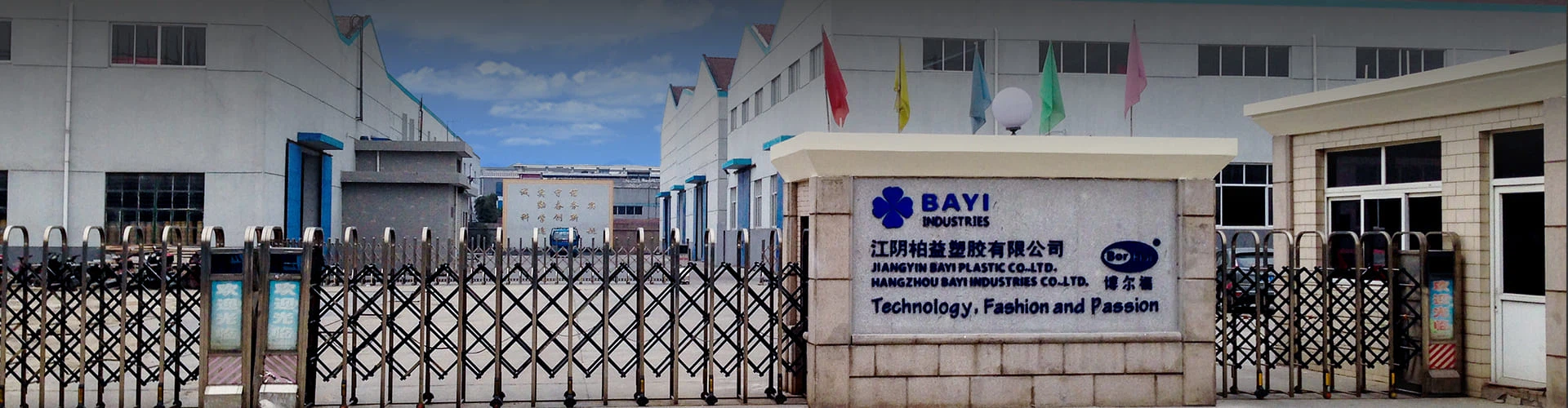
Bayi Industries Co., Ltd. is a leading supplier and manufacturer of resilient flooring as: Sheet Vinyl Flooring, Safety (Quartz sands or coin)Flooring in rol, SPC (RVP) Viny! Flooring, LVT/LVP Flooring , Peel & Stick Flooring etc."Borflor", as a well-known brand in the flooring industry, has already served many countries eg. UK, Germany, ltaly, USA, Southeast Asia, Middle East, South America, etc.In 1989, the parent Bayi Company was founded, and successfully developed the first "multi-layer composite resilient floor" in mainland China, known as the "pioneer of China's resilient floor".


Certificate

FAQ
As one of the leading rubber flooring manufacturers and suppliers in China, we warmly welcome you to wholesale discount rubber flooring for sale here from our factory. All our products are with high quality and low price.
Rubber Flooring, pharmaceutical homogenous vinyl floor sheet, WATERPROOF COMMERCIAL RUBBER FLOORING GAUGHAN SERIES