

Why choose us?
Your Leading Home Vinyl Flooring in Roll Supplier
Enviorment-friendly
Using only natural raw materials to manufacture products that are beneficial to... environment and human body
Excellent Technology
Always insist on using our own proprietary technology in core technology
After-sale service
We have a complete after-sales service system, so you can purchase with confidence
OEM/ODM Service
Made of selected cotton yarn and made of smooth fabric, pure natural raw materials
-
![Coin Pattern Vinyl Garage Car Mat]() Coin Pattern Vinyl Garage Car MatThe cion pattern on the surface provides max grip, providing a safe entry and exit for your vehicle. The waterproof PVC resists staining from dirt, mud, automotive fluids, and commercial chemicals.view more
Coin Pattern Vinyl Garage Car MatThe cion pattern on the surface provides max grip, providing a safe entry and exit for your vehicle. The waterproof PVC resists staining from dirt, mud, automotive fluids, and commercial chemicals.view more -
![Thickened Coin Plate PVC Garage Mats]() Thickened Coin Plate PVC Garage MatsThe cion pattern on the surface provides max grip, providing a safe entry and exit for your vehicle.The waterproof PVC resists staining from dirt, mud, automotive fluids, and commercial chemicals....view more
Thickened Coin Plate PVC Garage MatsThe cion pattern on the surface provides max grip, providing a safe entry and exit for your vehicle.The waterproof PVC resists staining from dirt, mud, automotive fluids, and commercial chemicals....view more -
![Diamond Plate PVC Garage Floor Rolls]() Diamond Plate PVC Garage Floor RollsThe Diamond Plate Sheet PVC Garage Floor Mats Roll for Under Car Parking, protect your garage floor from grease, winter salt, rust stains, and oil spills.view more
Diamond Plate PVC Garage Floor RollsThe Diamond Plate Sheet PVC Garage Floor Mats Roll for Under Car Parking, protect your garage floor from grease, winter salt, rust stains, and oil spills.view more -
![Anti-scratch Diamond Plate PVC Floor Mat]() Anti-scratch Diamond Plate PVC Floor MatThe Diamond Plate Sheet PVC Garage Floor Mats Roll for Under Car Parking, protect your garage floor from grease, winter salt, rust stains, and oil spills.view more
Anti-scratch Diamond Plate PVC Floor MatThe Diamond Plate Sheet PVC Garage Floor Mats Roll for Under Car Parking, protect your garage floor from grease, winter salt, rust stains, and oil spills.view more -
![Anti-slip Garage PVC Flooring Mat]() Anti-slip Garage PVC Flooring MatAnti-slip Garage PVC Flooring Mat In the daily use of the garage, safety and convenience are of vital importance. Anti-slip garage PVC flooring mats have become a popular choice for many...view more
Anti-slip Garage PVC Flooring MatAnti-slip Garage PVC Flooring Mat In the daily use of the garage, safety and convenience are of vital importance. Anti-slip garage PVC flooring mats have become a popular choice for many...view more -
![Garage Vinyl Flooring Covering Mat]() Garage Vinyl Flooring Covering MatGarage Vinyl Flooring Covering Mat Materials and characteristics - Main ingredients: Polyvinyl chloride powder is the main ingredient, and other substances are added to enhance heat...view more
Garage Vinyl Flooring Covering MatGarage Vinyl Flooring Covering Mat Materials and characteristics - Main ingredients: Polyvinyl chloride powder is the main ingredient, and other substances are added to enhance heat...view more -
![Diamond Lite PVC Garage Floor Roll]() Diamond Lite PVC Garage Floor RollDiamond Lite PVC Garage Floor Mat Rolls are a durable and heavy-duty option for your space. Our garage pvc floor mats are thicker than most on the market, providing excellent wear and water...view more
Diamond Lite PVC Garage Floor RollDiamond Lite PVC Garage Floor Mat Rolls are a durable and heavy-duty option for your space. Our garage pvc floor mats are thicker than most on the market, providing excellent wear and water...view more -
![Waterproof Garage Flooring PVC Mat]() Waterproof Garage Flooring PVC MatThis rolled PVC floor mat is built to withstand traffic and protect underlying floors from potential damage, making it both practical and visually appealing.view more
Waterproof Garage Flooring PVC MatThis rolled PVC floor mat is built to withstand traffic and protect underlying floors from potential damage, making it both practical and visually appealing.view more -
![Wood Grain Residential Vinyl Sheet Flooring]() Wood Grain Residential Vinyl Sheet FlooringResidential PVC flooring is a flooring material that has obvious advantages in many aspects compared to traditional sheet flooring.view more
Wood Grain Residential Vinyl Sheet FlooringResidential PVC flooring is a flooring material that has obvious advantages in many aspects compared to traditional sheet flooring.view more -
![Heterogeneous Residential Vinyl Sheet Flooring]() Heterogeneous Residential Vinyl Sheet FlooringFind heterogeneous vinyl sheet flooring from top brands in a variety of styles at Borflor. Shop in-store or online to complete your your home with sheet vinyl flooring.view more
Heterogeneous Residential Vinyl Sheet FlooringFind heterogeneous vinyl sheet flooring from top brands in a variety of styles at Borflor. Shop in-store or online to complete your your home with sheet vinyl flooring.view more -
![Residential Non-Slip PVC Sheet Floor]() Residential Non-Slip PVC Sheet FloorA non-slip floor is ideal for spaces consistently exposed to accidents, messes, spills, and excess moisture. All of our vinyl flooring rolls are water resistant and can be use for both residential...view more
Residential Non-Slip PVC Sheet FloorA non-slip floor is ideal for spaces consistently exposed to accidents, messes, spills, and excess moisture. All of our vinyl flooring rolls are water resistant and can be use for both residential...view more -
![Compact Heterogeneous Vinyl Floor Roll]() Compact Heterogeneous Vinyl Floor RollHeterogeneous vinyl is a multi-layer vinyl with a printed top layer providing endless design possibilities, lasting performance and low maintenance cost.view more
Compact Heterogeneous Vinyl Floor RollHeterogeneous vinyl is a multi-layer vinyl with a printed top layer providing endless design possibilities, lasting performance and low maintenance cost.view more


What is Home Vinyl Flooring in Roll
"Home vinyl flooring in roll" refers to a type of flooring that comes in large, continuous sheets rolled up, made from vinyl material, typically used for residential applications, offering a versatile and affordable option for covering floors in various rooms like kitchens and bathrooms due to its water-resistant properties; essentially, it's the same as "vinyl sheet flooring" or "vinyl roll flooring.".
Advantages of Home Vinyl Flooring in Roll
It is available in several colors, designs, and patterns. Your floor’s range of potential patterns is as extensive as your imagination. Vinyl flooring offers an incredible range of designs. Vinyl is excellent when used to brighten spaces that benefit from reflection, such as bathrooms.
Vinyl is also very easy to maintain. Spills and humidity, for example, can destroy a wood floor. To clean vinyl flooring, all you need is to sweep the dirt and then mop up any scuff marks … and you do not need any fancy cleaning solutions or tools. One of the biggest advantages of vinyl is its ability to resist water, which makes it ideal for the moisture-prone areas of your home, like the kitchen, bathroom, mudroom, and laundry room. Any area that’s exposed to a great deal of moisture or dirt is ideal for vinyl since cleaning it is so remarkably easy.
It offers great durability. Because vinyl is artificial, performance is rated; you know exactly what you’re getting and how long it is likely to last. The latest vinyl products also come with a surface coating, which provides an extra barrier against dirt and makes it stain- and scratch-resistant. Vinyl flooring is made of highly durable plastic; if properly installed, the flooring can last two decades or more. This makes it ideal for any area of the home with high foot traffic. Products also come with a warranty.
Vinyl flooring can be cushiony and soft for your feet. It won’t be too hot or too cold. Vinyl flooring can help keep an even temperature so it will be comfortable on your feet.
Air quality standards are good. Where vinyl is concerned, air quality gets a good report. It has low emissions and is less likely to retain pollutants over other types of floors.
Vinyl is nothing if not flexible. It can be installed over any type of subfloor and on every level of a home. Flooring contractors can do a quick, efficient, clean installation. This is a luxury that not every type of floor offers.
Vinyl is affordable. It holds its pattern and colors well. After years of use, it can still look just as good as the day you got it. The ease with which it can be maintained also makes it a wonderful choice for those who want cost-effectiveness, durability, and low maintenance.
Types of Home Vinyl Flooring in Roll
Vinyl plank flooring
has the richness, deep texture and look of real hardwood flooring without the high cost.
Vinyl sheet flooring
works well in large spaces and is easy to maintain.
Peel and stick vinyl flooring
tiles are removable and
quick and easy to install, making them one the best vinyl flooring choices for small spaces.
Application of Home Vinyl Flooring in Roll
Vinyl flooring in roll form is a popular choice for many homeowners due to its durability, ease of installation, and aesthetic appeal. Here’s a detailed look at its applications and benefits:
Residential Spaces
Vinyl flooring rolls are commonly used in residential settings, including:
Living Rooms: Provides a warm and inviting atmosphere.
Kitchens: Resistant to spills and easy to clean.
Bathrooms: Water-resistant and slip-resistant properties make it ideal.
Bedrooms: Available in various textures and designs to suit personal tastes.
Home Offices: Durable and professional-looking.
01
Commercial Spaces
While primarily associated with homes, vinyl flooring in roll form is also widely used in commercial environments:
Retail Stores: High foot traffic areas benefit from its durability.
Offices: Offers a sleek and modern look.
Hospitals: Easy to clean and maintain, important for hygiene standards.
Schools: Durable and safe for children.
02
Benefits of Vinyl Flooring Rolls
Ease of Installation: Can be DIY installed, saving on labor costs.
Variety of Designs: Mimics the look of wood, stone, and other materials.
Water Resistance: Ideal for areas prone to moisture.
Comfort: Softer underfoot compared to hard tile or wood.
Durability: Resistant to scratches, stains, and wear.
Cost-Effective: Generally less expensive than natural materials like hardwood or stone.
03
Installation Tips
Preparation: Ensure the subfloor is clean, level, and dry.
Acclimatization: Allow the vinyl flooring to acclimate to the room temperature for 24-48 hours before installation.
Adhesive: Use the appropriate adhesive for your specific type of vinyl flooring.
Seaming: Carefully align and seam the edges for a seamless look.
Finishing Touches: Trim any excess material and apply a finishing sealant if necessary.
04
Maintenance
Regular Cleaning: Sweep or vacuum regularly to remove dirt and debris.
Deep Cleaning: Use a damp mop with a mild cleaning solution.
Protective Measures: Use mats or rugs in high-traffic areas to minimize wear.
05
Process of Home Vinyl Flooring in Roll

Preparation:
Remove existing flooring and debris from the subfloor.
Check for levelness and address any irregularities.
Apply a moisture barrier if needed.
Measurement and Cutting:
Measure the room dimensions, adding a few inches allowance for trimming.
Unroll the vinyl sheet and carefully cut it to size using a utility knife and straightedge.
Adhesive Application:
Choose the appropriate adhesive based on the vinyl type and subfloor.
Apply adhesive to the subfloor using a notched trowel, working in sections.
Laying the Vinyl:
Carefully roll out the vinyl sheet, aligning it with the desired position.
Work from the center of the room outwards, pressing the vinyl firmly onto the adhesive to remove air bubbles.
Trimming and Finishing:
Trim excess vinyl along the walls and edges using a utility knife, leaving a small expansion gap.
Install transition strips where necessary.
Seaming (if applicable):
For multiple vinyl sheets, carefully join seams by applying seam sealer and pressing firmly.
Important considerations:
Underlayment:
Depending on the subfloor condition and desired sound insulation, consider using a foam or felt underlayment before installing the vinyl.
Room layout:
Always start laying the vinyl from the longest straight wall to ensure a proper alignment.
Manufacturer instructions:
Always follow the specific installation instructions provided by the vinyl flooring manufacturer.

Maintenance Tips for Home Vinyl Flooring in Roll

Regular cleaning:
Sweep or vacuum your vinyl flooring frequently to remove dust and debris that can scratch the surface.
Damp mopping:
When mopping, use a slightly damp mop with warm water and a mild, vinyl-specific cleaner. Avoid soaking the floor with too much water.
Spot cleaning:
Address spills immediately by wiping them up with a soft cloth.
Furniture protection:
Place felt pads under the legs of heavy furniture to prevent scratches and scuffs.
Avoid harsh chemicals:
Do not use abrasive cleaners, bleach, wax, or strong detergents on your vinyl floor.
Check manufacturer's instructions:
Always consult the care instructions provided by the vinyl flooring manufacturer for the best cleaning practices.
What to avoid:
Excessive water: Do not flood the floor with water, as this can damage the seams and adhesive.
Steam cleaning: Avoid using a steam cleaner on vinyl flooring.
Dragging heavy objects: Lift and carry heavy items instead of dragging them across the floor.
Rubber mats: Some types of rubber mats can discolor vinyl flooring.
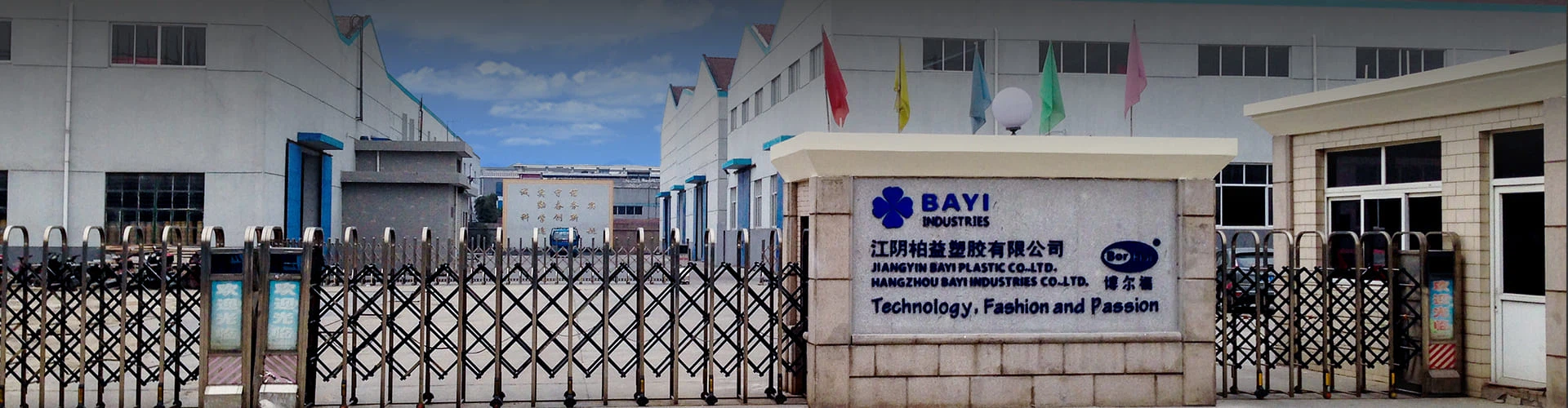
Our factory


Our Certificate

EXHIBITION

FAQS
Q: What is vinyl flooring?
A: Vinyl is a specific type of plastic. Vinyl flooring is a product made by layering different materials, including vinyl. The most common type of vinyl floor consist of 4 layers: a felt, fiberglass or vinyl backing; a core layer; a decorative layer with the flooring pattern; and a final “wear layer” on top that protects the flooring from scratches and scuffs.
Q: Where can vinyl flooring be installed?
A: Vinyl flooring can be installed in any room in the house, including rooms at, above or below grade (ground level). It can also be installed over almost any type of subfloor (concrete, wood, vinyl), as long as the subfloor is smooth and level. If the subfloor has imperfections, they may show through the vinyl.
Q: Does vinyl flooring need underlayment?
A: In short, vinyl flooring itself can be completely self sustainable and does not require an underlayment to function properly. Another reason underlayments may be suggested for vinyl flooring is if the vinyl flooring type is thin. When the vinyl flooring is thin, it becomes a lot easier to flex and bend.
Q: Does roll vinyl flooring need to be glued down?
A: You can also roll it up and move it—something you might want to do if the washing machine overflows, for example. Sheet vinyl flooring has a heavy fiberglass backing, allowing the sheet to lay flat on the floor without glue. You can purchase it at most home centers and flooring stores.
Q: Is rolled vinyl flooring good?
A: Vinyl sheet flooring is a highly durable material that, if properly installed and maintained, can last upwards of ten to twenty years. This advantage makes it great for any room in the house, especially the high traffic areas that are constantly assaulted by sneakers, spills, pets and sloppy spills!
Q: How long does vinyl roll flooring last?
A: Generally speaking, vinyl sheet flooring will last anywhere from 10 to 20 years, while vinyl plank and tile flooring will last 15 to 20 years. The thickness of its wear layer vastly impacts vinyl flooring's lifespan, so pay attention to this detail when purchasing your flooring.
As one of the leading home vinyl flooring in roll manufacturers and suppliers in China, we warmly welcome you to wholesale discount home vinyl flooring in roll for sale here from our factory. All our products are with high quality and low price.
0 6MM PVC VINYL SHEET FLOORING IN ROLL, wpc fence panels, 0 9MM PVC VINYL SHEET FLOORING IN ROLL