

Company advantage
Advanced production filtration technology
lt adopts the third generation of "Fusion Co-laminating technology" + "multi-layer impurity filtration technology".using 100% new materials, which can effectively remove heavy metals,impurities and other harmful substances,and greatly improve the environmental protectionperformance. And it has developed fo the most advanced third generation, leading 99% of domestic peer enterprises.
Company strength
Bayi has 2 production bases with 180 skilled employees;Bayi can produce 200 TEU per month.
Our certifications
Bayi has been certified by lots of related national and international organizations.
QC
Bayi is growing rapidly, while improving our techniques, using environment-friendly materials and quality control system.Bayi also features personalized designs, convenient installation and easy maintenance.
What is LVT Flooring
LVT stands for “Luxury Vinyl Tile”-a hard surface flooring product designed for use in both commercial and residential indoor applications. LVT is a vinyl plank or tile flooring that is available in a range of shapes, sizes, and visual looks. It can mimic an authentic-looking real wood or stone floor in your home without the drawbacks of natural products such as scratches on wood, heavy maintenance, and lack of waterproofing.
-
![Glue Down PVC LVT Flooring Plank]() Glue Down PVC LVT Flooring PlankThis DIY Glue Down PVC Vinyl LVT Flooring Plank is a beautiful alternative to real hardwood floors and installing vinyl floors is easy enough that anyone can do it themselves!view more
Glue Down PVC LVT Flooring PlankThis DIY Glue Down PVC Vinyl LVT Flooring Plank is a beautiful alternative to real hardwood floors and installing vinyl floors is easy enough that anyone can do it themselves!view more -
![Contemporary Laminate Rigid Core LVT Flooring]() Contemporary Laminate Rigid Core LVT FlooringLVT vinyl floor is luxury pvc laminate flooring using high-end vinyl material. LVT vinyl floor is a type of PVC floor. It is a semi-rigid core sheet PVC resilient floor. LVT floor is divided into...view more
Contemporary Laminate Rigid Core LVT FlooringLVT vinyl floor is luxury pvc laminate flooring using high-end vinyl material. LVT vinyl floor is a type of PVC floor. It is a semi-rigid core sheet PVC resilient floor. LVT floor is divided into...view more -
![Glue Down PVC Plastic Flooring Plank]() Glue Down PVC Plastic Flooring PlankBorflor customized vinyl glue down PVC plastic flooring plank is waterproof and oil proof, making it suitable for using in kitchens, bathrooms, and other residential areas .view more
Glue Down PVC Plastic Flooring PlankBorflor customized vinyl glue down PVC plastic flooring plank is waterproof and oil proof, making it suitable for using in kitchens, bathrooms, and other residential areas .view more -
![Glue Down LVT Flooring]() Glue Down LVT FlooringLVT flooring is a high-grade resilient floor that can realistically simulate wood grain and stone floor; -LVT wood grain stone plastic flooring, the color and texture obtained from various wood...view more
Glue Down LVT FlooringLVT flooring is a high-grade resilient floor that can realistically simulate wood grain and stone floor; -LVT wood grain stone plastic flooring, the color and texture obtained from various wood...view more -
![Decorative Luxury Vinyl Tile]()
-
![Best Luxury Vinyl Tile]() Best Luxury Vinyl TileAdvantages of Best Luxury Vinyl Tile 1. Green and environmentally friendly: The main raw material of LVT flooring is polyvinyl chloride, which is an environmentally friendly and non-toxic...view more
Best Luxury Vinyl TileAdvantages of Best Luxury Vinyl Tile 1. Green and environmentally friendly: The main raw material of LVT flooring is polyvinyl chloride, which is an environmentally friendly and non-toxic...view more -
![Patterned Luxury Vinyl Tile Flooring]() Patterned Luxury Vinyl Tile FlooringLuxury Vinyl Plank is one of the hottest products in the PVC flooring market, and its application in commercial facilities, hospitals and homes is growing rapidly.view more
Patterned Luxury Vinyl Tile FlooringLuxury Vinyl Plank is one of the hottest products in the PVC flooring market, and its application in commercial facilities, hospitals and homes is growing rapidly.view more -
![Durable Luxury Vinyl Plank]() Durable Luxury Vinyl PlankLuxury Vinyl Plank is one of the hottest products in the PVC flooring market, and its application in commercial facilities, hospitals and homes is growing rapidly.view more
Durable Luxury Vinyl PlankLuxury Vinyl Plank is one of the hottest products in the PVC flooring market, and its application in commercial facilities, hospitals and homes is growing rapidly.view more -
![Dark Wood LVT Flooring]() Dark Wood LVT FlooringBoflor dark wood LVT floorIing adopts surface UV treatment technology, close calendering technology, high-purity wear-resistant crystals with unique drilling technology, primary color transfer...view more
Dark Wood LVT FlooringBoflor dark wood LVT floorIing adopts surface UV treatment technology, close calendering technology, high-purity wear-resistant crystals with unique drilling technology, primary color transfer...view more -
![Commercial LVT Flooring]() Commercial LVT FlooringLVT flooring is a type of synthetic flooring material commonly used in both commercial and residential settings. LVT flooring can mimic various materials such as wood, stone, or tile, providing...view more
Commercial LVT FlooringLVT flooring is a type of synthetic flooring material commonly used in both commercial and residential settings. LVT flooring can mimic various materials such as wood, stone, or tile, providing...view more -
![LVT Flooring Bathroom Tiles]() LVT Flooring Bathroom TilesHigh-grade LVT vinyl flooring is mainly made of new vinyl material (PVC), supplemented by nano-calcium carbonate, and added with DOTP non-toxic plasticizer. It is an environmentally friendly...view more
LVT Flooring Bathroom TilesHigh-grade LVT vinyl flooring is mainly made of new vinyl material (PVC), supplemented by nano-calcium carbonate, and added with DOTP non-toxic plasticizer. It is an environmentally friendly...view more -
![Best Residential LVT Floor]()


Price
As already mentioned Luxury Vinyl Tiles is an affordable alternative to its other flooring products. Bringing luxury designs to your home for significantly lower prices. Thicker LVT tends to be at the higher end of the pricing range to represent the undeniable quality. A 5mm tile consists of an impressive 0.55mm wear layer to protect the design and increase the longevity of the tile.
Durability
Manufactured from extremely robust materials LVT is built to withstand the pressures of a commercial environment. Excessive traffic, flame resistance and exposure to moisture; there's not much this flooring cannot endure. With many designs made from 100% vinyl, Luxury Vinyl Tiles meet the green building standards for commercial applications. You can rest assured, when laying this flooring in your home you're using a high quality product that's built to last.
Versatile
Hard wearing, waterproof and providing excellent grip & slip resistance; LVT is perfect for those high risk areas where practicality overrules design such kitchens and bathrooms. The stunning aesthetics make it an ideal solution for dining and living rooms too. There's nowhere in your home we wouldn't recommend using LVT - it even looks great on the stairs.
Warmth
Unlike tile and wood flooring, LVT provides a warmth underfoot whilst the thickness of the tile adds a cushioned feel. Compatible with underfloor heating, the level of heat conducted through the flooring is impressive.
Insulates Sound
At an average of 2mm thick LVT is significantly quieter to walk on compared to tiles, wood and laminate. As the thickness of the vinyl increases the sound becomes subdued. High traffic areas would require a thicker tile to guarantee sound and wear prevention.
Maintenance
When cleaning LVT you can afford to be a little rougher compared to other flooring types as the protective layer provides fantastic scratch, scuff, stain, chip, crack and dent resistance. We're not saying to get a scouring brush and go all out but tough marks are easily removed. As a hygienic flooring, a simple cleaning regime with a damp mop is suffice. If you require a deep clean, the flooring is resilient to chemical cleaners.
Application of LVT Flooring
Retail Spaces
Retail stores have embraced LVT Flooring for its aesthetic appeal and ease of maintenance. The impressive array of design options allows retailers to create a unique atmosphere that aligns with their brand, while the durability ensures that the flooring can withstand high foot traffic.
Office Environments
In office spaces, where aesthetics, functionality, and durability are paramount, luxury vinyl flooring checks all the boxes. It can replicate the look of traditional hardwood or stone, giving the workspace a sophisticated appearance, while its resistance to wear and tear ensures a long-lasting solution.
Hospitality Industry
Hotels, restaurants, and other hospitality businesses choose LVT Flooring for its stylish look and ability to endure constant use. Whether it's the lobby, guest rooms, or dining areas, luxury vinyl flooring provides a warm and inviting atmosphere.
Healthcare Facilities
In healthcare environments, hygiene and easy maintenance are crucial. LVT Flooring is an excellent choice, as it can be sanitized easily, ensuring a clean and safe space for patients and staff.
Types of LVT Flooring

Self-Adhesive Vinyl Tiles and Planks
As their name refers, self-adhesive vinyl tiles and planks don't require glue for installation. Instead, they have adhesive layers on their backs that stick by pressure. So to install them, you'll only have to remove the protective layer on each tile, position it correctly, and press it down on the floor.Removing self-adhesive tiles is equally easy. You can first use a blow-dryer to heat each tile and melt the adhesive. Then, you can cut the tiles into small chunks and remove each piece.

Glue-Down LVT
Installing glue-down LVT flooring is a bit more challenging than installing self-adhesive tiles. This is because, this time, you'll need a type of glue that can stick vinyl floors.While less suitable for DIY lovers, glue-down LVT floorings are more durable than self-adhesive tiles and less likely to move under your feet. This is especially the case if they're installed by a professional.To install glue-down LVT tiles, apply the glue to the ground first. Then, press each tile in its proper place till it's glued to the floor. Removing this type of LVT flooring is challenging and calls for a professional's help, mainly because the glue doesn't melt easily.

Interlocking Vinyl Tiles and Planks
Unlike the previous two types, interlocking vinyl tiles don't require any adhesives for installation. Instead, they have complementary designs that allow each two tiles to join. In other words, you'll only need to click the tiles together in their proper places to install your new LVT flooring.While removing interlocking tiles isn't particularly challenging, you'll have to remove an entire row if you want to remove a specific tile. This is because the entire row is connected.
Loose Lay Vinyl Planks
Loose lay vinyl planks were specifically designed to provide easy installation. They don't require adhesives and don't have locking systems. Instead, they adhere to the floor by friction.The high friction between their bottom layer and the floor causes them to grip the subfloor tightly, leaving no chance for the tiles to move beneath your feet. To ensure the planks don't roll, you can use adhesive in the room corners.The best part about loose lay vinyl planks is that they're reusable. So you can easily remove and install them somewhere else. On top of that, they don't leave any residues behind. So generally, they're one of the best types of vinyl flooring.
Materials Used in LVT Flooring
The backing layer is the layer of the LVT flooring that is in direct contact with the sub floor. It is typically made from PVC or other plastic polymers that provide stability and durability to the flooring. The backing layer is also responsible for providing a sound barrier, ensuring that the LVT flooring is quiet underfoot. In some cases, the backing layer may be reinforced with fiberglass to increase its strength and stability.
The print film layer is the layer of the LVT flooring that provides the design or pattern. This layer is made from a high-quality, high-resolution image that is printed onto the vinyl. The print film layer is what gives LVT flooring its realistic look, allowing it to mimic the appearance of other materials such as hardwood, stone, or tile.
The wear layer is the top layer of the LVT flooring, and it is responsible for protecting the flooring from scratches, stains, and other forms of wear and tear. The wear layer is typically made from urethane, which is a highly durable and scratch-resistant material. The thickness of the wear layer can vary depending on the intended use of the LVT flooring, with thicker wear layers being more appropriate for high-traffic areas.
The adhesive used in LVT flooring is a critical component that determines the quality and durability of the final product. The adhesive is responsible for bonding the LVT flooring to the sub floor, ensuring that it stays in place and does not peel or lift over time. The adhesive used in LVT flooring is typically acrylic-based, providing a strong, permanent bond that can withstand the stresses of daily use.
In addition to the materials mentioned above, LVT flooring may also include other components such as fillers, stabilizers, and plasticizers. Fillers are added to improve the density and stability of the flooring, while stabilizers help to prevent the flooring from degrading over time due to exposure to light or heat. Plasticizers are used to make the flooring more flexible and pliable, allowing it to conform to uneven surfaces and prevent cracking or splitting.
How to Choose LVT Flooring
LVT is offered in three distinct styles: tile, plank, and parquet. Although these styles share the same basic construction, which we provide a detailed overview here, their primary distinction lies in the shape and aesthetics of the floorboards. For instance, LVT tiles are crafted to mimic the look of ceramic, marble, or stone tiles, usually ranging from 300mm to 310mm in width and around 610mm in length. Plank LVT aims to replicate natural wood flooring, generally falling within 178mm to 182mm in width and around 1220mm in length. Lastly, the parquet style, available in either herringbone or chevron patterns, features a unique zig-zag design and comes in at 120mm to 127mm wide and 600mm to 630mm long. As for pricing, tile and plank styles are often similarly priced, whereas herringbone and chevron command a premium.
At the heart of any LVT flooring is its core, made from one of four materials: PVC, WPC, Rigid, or SPC. Each core type boasts unique characteristics. However, Rigid Core and SPC are considered the most advanced, thus attracting a higher price tag. These cores excel in robustness and are compatible with underfloor heating systems and moisture-prone environments. For installations in more general settings, the economical options of PVC and WPC will serve you adequately.
LVT flooring is available in three fitting methods: click fit, loose lay, and stick fit. Each has its own set of advantages and disadvantages. Click fit LVT is pricier but is practically indispensable for moisture-prone areas like kitchens and bathrooms. The snug fit ensures that water and humidity are prevented from penetrating to the backing layer. Loose lay and stick-down methods, though cheaper, lack this level of moisture resistance and are best suited for other environments.
LVT's durability stems from its wear layer—a clear PVC coating designed to safeguard the design layer against the rigours of everyday use. This wear layer varies in thickness, typically ranging from 0.3mm to 0.7mm. Choose wisely to balance cost with the demands of your setting. For example, the 0.7mm wear layer is robust enough for high-traffic commercial spaces, while the 0.3mm layer suffices for most residential applications.
LVT flooring is available in thicknesses ranging from 4mm to 8mm. A more substantial material density, naturally, equates to a higher cost. Thicker flooring provides a more luxurious underfoot experience and better accommodates subfloor imperfections. However, the thickness of the wear layer is the true gauge of quality, as opposed to the overall thickness of the plank or tile.
The addition of an underlay can significantly improve your flooring experience, particularly with Rigid or SPC cores. Many retailers now offer LVT with built-in underlays, contributing to a slightly higher price but adding substantial benefits such as improved comfort, sound insulation, and subfloor levelling. It is highly advisable to opt for this add-on.
Preparation of Raw Materials
The first step in the manufacturing process of LVT flooring is the preparation of raw materials. The primary raw materials used in the production of LVT flooring are PVC resin, plasticizers, stabilizers, and pigments. PVC resin is a thermoplastic material that provides the base for LVT flooring. Plasticizers are added to the PVC resin to improve flexibility and provide a softer feel underfoot. Stabilizers are added to the PVC resin to enhance its resistance to heat, UV radiation, and other environmental factors. Pigments are added to the PVC resin to provide the desired color and pattern. The raw materials are carefully selected and mixed in a specific ratio to achieve the desired properties and appearance of the finished product.
Mixing and Extrusion
After the raw materials are prepared, they are mixed in a high-speed mixer to create a homogenous blend. The mixer ensures that all the components are evenly distributed and mixed together, resulting in a consistent quality of the finished product. The blend is then fed into an extruder, which is a machine that melts the mixture and forces it through a die to form a continuous sheet.
Printing and Embossing
In the manufacturing process of luxury vinyl tile (LVT) flooring, Step 3 involves printing and embossing. This step is critical in achieving the desired look and feel of the finished product. Printing involves transferring the design onto the surface of the sheet. A high-resolution printer is used to print the design using digital technology. This allows for precise and accurate reproduction of the desired pattern and color. The design options for LVT flooring are virtually endless, and the printing process can replicate a range of natural materials, such as wood, stone, and ceramic, as well as abstract designs.
Cutting and Shaping
After the printing and embossing process, the LVT flooring sheet is cut into tiles or planks of the desired size and shape. This step is essential to ensure that the flooring fits the dimensions of the room where it will be installed. The cutting process can be done using a variety of methods, including water jet cutting, laser cutting, and traditional cutting tools.
Surface Treatment
Step 5 in the manufacturing process of LVT flooring is surface treatment. Surface treatment is an essential step that enhances the durability and resistance of the finished product to wear and tear. It is a process that involves applying a protective layer over the printed surface to protect it from damage and wear.
Quality Control
Quality Control is a crucial stage in the manufacturing process of Luxury Vinyl Tile (LVT) flooring. Before the finished product is packaged and shipped, it undergoes a series of quality control checks to ensure that it meets the required standards. Quality control is vital to guarantee the durability, performance, and aesthetic appeal of the finished product.
How is LVT Flooring Installed?
This LVT version is a thicker product construction versus glue down (typically 5.0mm). Most manufacturers promote loose lay LVT in smaller spaces with no rolling loads since minimal adhesive is required around the perimeter. The manufacturers recommend an adhesive be applied to loose lay LVT in a medium-sized room (width of the room larger than 20 feet) on the perimeter of the room, or even a grid of adhesive every 8 feet. In applications with heavy foot traffic or rolling loads, manufacturers recommend doing a full spread of adhesive with loose lay which turns it into a glue-down installation. The benefits of loose lay are a quicker installation process, acoustical benefits, use on sub-floors with high moisture content, installation over existing floors, and more comfort-under-foot.
Glue Down
Also known as“dryback,”glue down is the most commonly used in commercial applications because of the heavy foot-traffic environments and heavy rolling loads. This installation method requires the use of an adhesive when installing. There have been many innovations with adhesives in the past 10 years beyond the traditional troweled-on application, including roll-on, peel, and stick, and spray adhesives.
Click
Unlike glue down, click does not require the use of adhesives, as the planks or tiles are installed by using the tongue and groove locking system on the edges of the product. This provides for a quicker and easier installation versus glue down/dry back. However, traditional click LVT has issues with subfloor irregularities and dimensional stability, so it has mostly been replaced by the improved rigid-core click product category.
Rigid Core Click
This LVT has an installation process similar to the click LVT, but typically has a thicker and more rigid construction. The rigid core LVT construction provides better resistance to indentations, better dimensional stability, and added comfort-under-foot. There are 2 general rigid core categories: WPC (wood plastic core) and SPC (solid polymer core or stone plastic composite). WPC was the original rigid core construction introduced in the US market but experienced issues with product construction and dimensional stability. SPC flooring was introduced to fix the flaws that WPC flooring experienced, offering a more structurally stable and waterproof construction.
LVT Floor Maintenance Guide
Maintenance Tips for Long-Lasting LVT Floors
Follow a basic cleaning routine with your LVT floors to maintain their quality and shine. This doesn't have to involve tedious cleaning. Instead, a quick sweep every day or two and an occasional mop should be enough to prevent dirt buildup on the floor. You'll want to clean spills or leaks immediately to prevent them from staining your floors. Again, you don't need much effort or equipment, as a simple sweep with water should suffice, but you can add small amounts of apple cider vinegar (about a cup per gallon of water) to remove stubborn stains.
How to Deep Clean Your LVT Flooring
You should treat your LVT floors to a deep clean now and then, especially if they're stained or discoloured. This can return your floors to their former glory, but you need to do it right.The key to deep cleaning is to use a strong, neutral cleaner. You can also use hydrogen peroxide to get rid of serious stains, though it's a bit acidic, so we only recommend it for sporadic use. You can also make your own floor cleaner at home, as we'll show you by the end.With one of these cleaners in a bucket, sweep the floor gently with a microfibre mop until the stains are off. Then you can rinse with another bucket of clean water, but don't flood the floor and make sure to drive off the rinsing water afterwards completely.
Getting Rid of Leftover Adhesives
If there's some leftover adhesive residue on your LVT floors after installation, you should remove them before they set deeper into the boards.If the adhesive is still wet or slimy, wipe it off with a cloth soaked in water. Aim for a microfibre cloth, as it'll be more gentle on your tiles.However, if the adhesive is dry, you'll need a stronger cleaner like denatured alcohol or acetone. Don't use boiling water, no matter how tempting it might be due to ease.
Our Factory
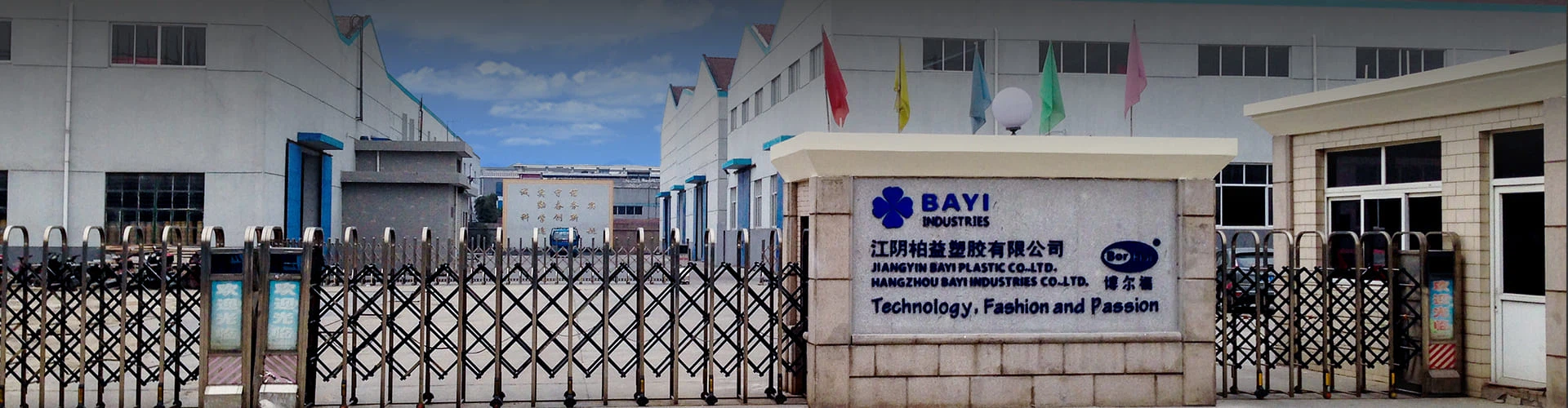
Bayi Industries Co., Ltd. is a leading supplier and manufacturer of resilient flooring as: Sheet Vinyl Flooring, Safety (Quartz sands or coin)Flooring in rol, SPC (RVP) Viny! Flooring, LVT/LVP Flooring , Peel & Stick Flooring etc."Borflor", as a well-known brand in the flooring industry, has already served many countries eg. UK, Germany, ltaly, USA, Southeast Asia, Middle East, South America, etc.In 1989, the parent Bayi Company was founded, and successfully developed the first "multi-layer composite resilient floor" in mainland China, known as the "pioneer of China's resilient floor".


Certificate

FAQ
As one of the leading lvt flooring manufacturers and suppliers in China, we warmly welcome you to wholesale discount lvt flooring for sale here from our factory. All our products are with high quality and low price.
large leather duffle bag mens, CARPET GRAIN LVT OR SPC VINYL FLOOR TILES DESIGN, CARPET DESIGN STRIP LVT FLOOR