

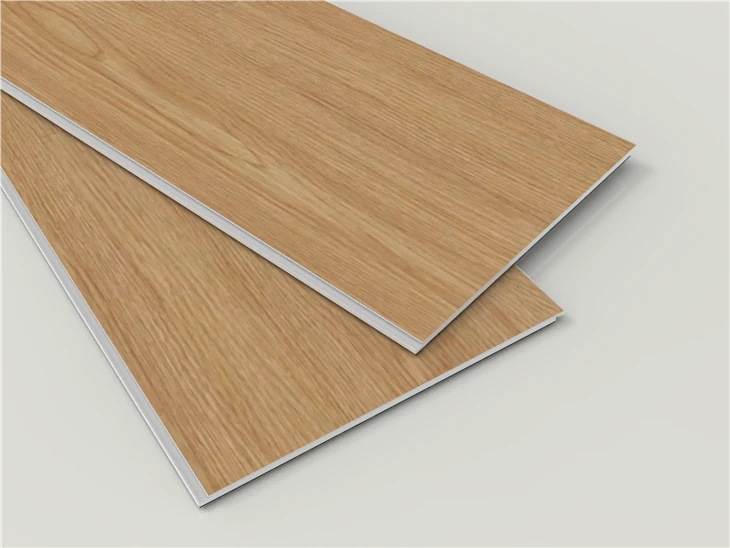
When it comes to flooring options, both sheet vinyl and linoleum are popular choices due to their durability, versatility, and cost-effectiveness. However, despite some similarities, they are not the same thing. In this article, we will explore the differences between sheet vinyl and linoleum, and discuss their respective advantages and disadvantages.
What is Sheet Vinyl?
Sheet vinyl, also known as vinyl flooring, is a synthetic material made from polyvinyl chloride (PVC) resin, plasticizers, stabilizers, and pigments. It is typically produced in large rolls and can be cut to fit various floor plans. Sheet vinyl is known for its water resistance, ease of maintenance, and affordability. It is often used in kitchens, bathrooms, and other high-moisture areas.
Advantages of Sheet Vinyl
1. Affordability: Sheet vinyl is generally less expensive than many other flooring options, including linoleum.
2. Water Resistance: Sheet vinyl is highly resistant to water, making it ideal for areas prone to spills and moisture.
3. Low Maintenance: Sheet vinyl is easy to clean and maintain, requiring only regular sweeping and mopping.
4. Versatility: Sheet vinyl is available in a wide range of colors, patterns, and textures, allowing for a variety of design possibilities.
Disadvantages of Sheet Vinyl
1. Durability: While sheet vinyl is durable, it may not withstand heavy foot traffic or sharp objects as well as some other flooring materials.
2. Environmental Impact: The production of PVC, the main component of sheet vinyl, can have negative environmental consequences.
3. Aesthetic Appeal: Some people may find sheet vinyl less visually appealing compared to natural materials like linoleum.
What is Linoleum?
Linoleum is a natural flooring material made from renewable resources such as linseed oil, pine rosin, cork dust, and wood flour. It is typically backed with jute or other natural fibers. Linoleum has been used for over a century and is known for its durability, eco-friendliness, and unique aesthetic appeal.
Advantages of Linoleum
1. Eco-Friendly: Linoleum is made from sustainable and biodegradable materials, making it an environmentally responsible choice.
2. Durability: Linoleum is highly durable and can last for decades with proper care.
3. Aesthetic Appeal: Linoleum offers a distinctive, organic look that cannot be replicated by synthetic materials.
4. Comfort and Warmth: Linoleum has a slightly softer feel underfoot compared to sheet vinyl, providing greater comfort and warmth.
Disadvantages of Linoleum
1. Cost: Linoleum tends to be more expensive than sheet vinyl, which may be a deterrent for some consumers.
2. Maintenance: While linoleum is relatively easy to maintain, it does require regular cleaning and occasional polishing to maintain its appearance.
3. Water Sensitivity: Although linoleum is naturally water-resistant, it is not as impervious to water as sheet vinyl. Proper installation and sealing are necessary to prevent water damage.
Conclusion
In summary, while sheet vinyl and linoleum share some similarities, they are distinct materials with their own unique advantages and disadvantages. Sheet vinyl is a cost-effective, water-resistant option that is easy to maintain and available in a variety of designs. On the other hand, linoleum is an eco-friendly, durable material with a distinctive aesthetic appeal and a comfortable feel underfoot.
The choice between sheet vinyl and linoleum ultimately depends on your specific needs, preferences, and budget. By understanding the differences between these two flooring options, you can make a more informed decision that best suits your requirements.
